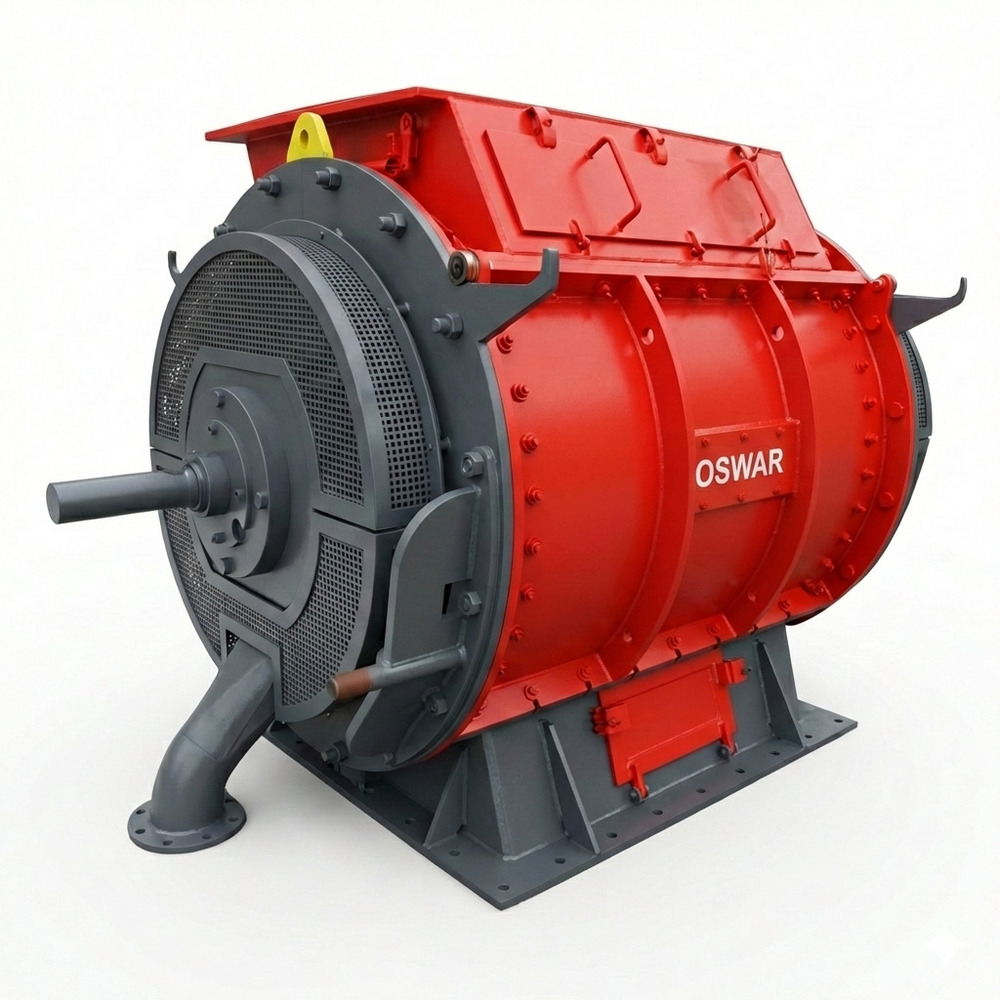
About 1800 mm Rotary Feeder
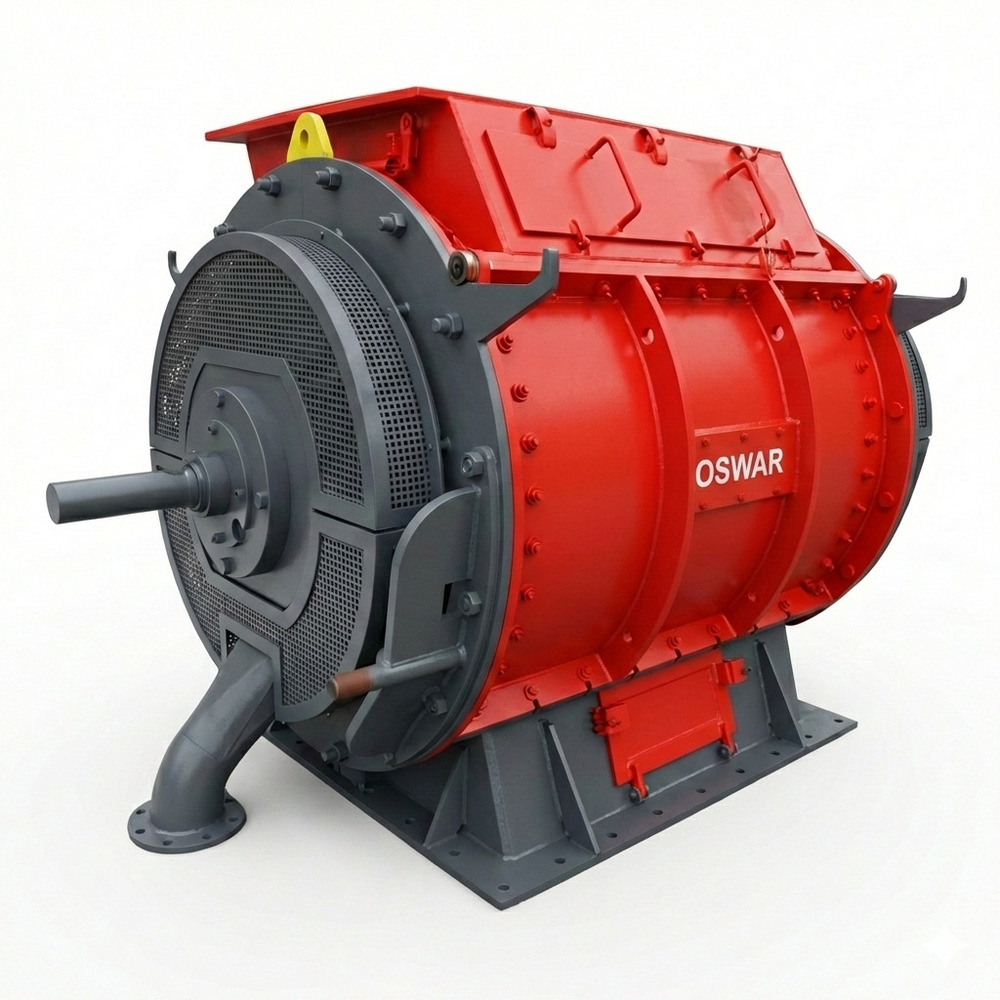
Order today the new release 1800 mm Rotary Feeder, a highly recommended solution for superb material handling. This matchless, first-class feeder caters to demanding industrial applications, ensuring precision with a customizable rotor (open/closed ends, 8-12 vanes) and robust construction. Its versatility accommodates horizontal or vertical mounting, handling powders, granules, pellets, and bulk solids up to 450 m3/hr. Enhanced corrosion resistance, low operational noise, easy maintenance, and accessories like variable frequency drives make it first-rate. With direct or chain-coupling drive options and multiple surface finish choices, this heavy-duty feeder is engineered for reliability in bulk discharge, dust collection, and pneumatic conveying. Flanged connections and high-performance seals ensure secure operation, while deep groove ball bearings optimize performance. Available in mild steel, cast iron, or stainless steel, it fits a wide array of industrial needs across India and international markets.
Optimized Usage and Advantages of the 1800 mm Rotary Feeder
Designed for pneumatic conveying, dust collection, and bulk material discharge, the 1800 mm Rotary Feeder ensures seamless transport and airlock functions in demanding industries. Installable in horizontal or vertical orientation, its precision-machined rotor and customizable vanes maximize throughput and minimize spillage. The feeder's first-class, robust build offers an advantage in environments with heavy solids-facilitating easy inspection and cleaning. This unit significantly reduces manual handling, improving safety and efficiency during operation in material transfer systems.
Market Value, Supply Capability, and Sample Policy
Our 1800 mm Rotary Feeder, with its strong supply ability, is available for express shipping domestically and internationally. We serve high-value markets in Asia, the Middle East, and Europe, ensuring prompt transportation for large or unique orders. Each feeder is packaged securely for safe transit. Sample policies are flexible; a sample unit or technical trial can be arranged to validate quality before mass procurement. This commitment increases your market value with assured reliability and trusted delivery channels.
FAQ's of 1800 mm Rotary Feeder:
Q: How does the 1800 mm Rotary Feeder accommodate different material types?
A: The feeder is engineered to handle powders, granules, pellets, and bulk solids, making it versatile across various industries. Its customizable rotor, available in open or closed end with different vane counts, allows for optimal performance based on the specific material being conveyed.
Q: What are the main advantages of horizontal and vertical mounting options?
A: Horizontal or vertical mounting flexibility enables the feeder to integrate seamlessly into a wide variety of process layouts. This adaptability maximizes space utilization and supports the specific flow requirements of your operation.
Q: When should I use corrosion-resistant surface treatments?
A: Corrosion-resistant treatments are recommended when the feeder will be used with corrosive media or in harsh environments. Available surface finishes help prolong equipment life and maintain performance, especially when handling chemically aggressive substances.
Q: Where is the 1800 mm Rotary Feeder commonly used?
A: This model is widely used in discharge and airlock applications for bulk handling systems, pneumatic conveying, and dust collection in industries such as cement, chemicals, food processing, and mining, both in India and export markets.
Q: How is maintenance and inspection managed for this rotary feeder?
A: The feeder design includes easy-access ports for inspection and cleaning, allowing operators to perform regular maintenance quickly, thus reducing downtime and ensuring consistent operation.
Q: What benefit does the speed controller and variable frequency drive offer?
A: A speed controller and VFD allow operators to fine-tune the feeder's rotation speed according to process requirements, resulting in improved process control, increased efficiency, and potential energy savings.




 Send Inquiry


 Send Inquiry